Sunday, November 21, 2021

Finishing Production

Image Source

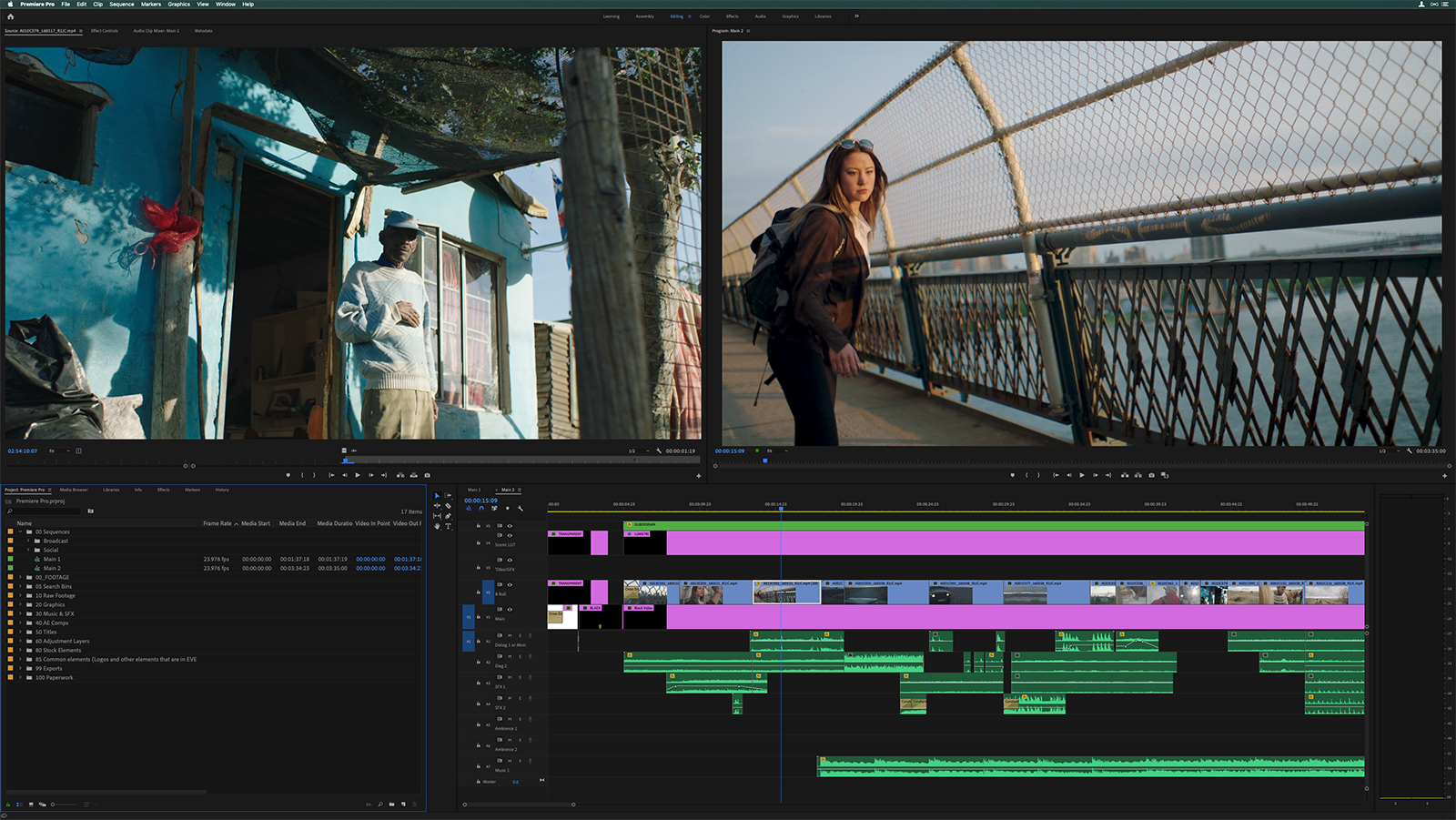
 This week I delved into the postproduction process, as I figured it would be necessary to learn the ins and outs for tying the video together. I have used Adobe Premiere in the past, however this is a great opportunity for me to improve my familiarity with the program. In particular, I was able to familiarise myself with the graphical aspects of video editing. Last week, I gathered some stock footage and images that are in some way relevant to the topics at hand. Of course, I may need to source more throughout the project as it evolves. I’ve found the websites Pixabay and Pexel to be a great help in searching for appropriate stock footage and still images.

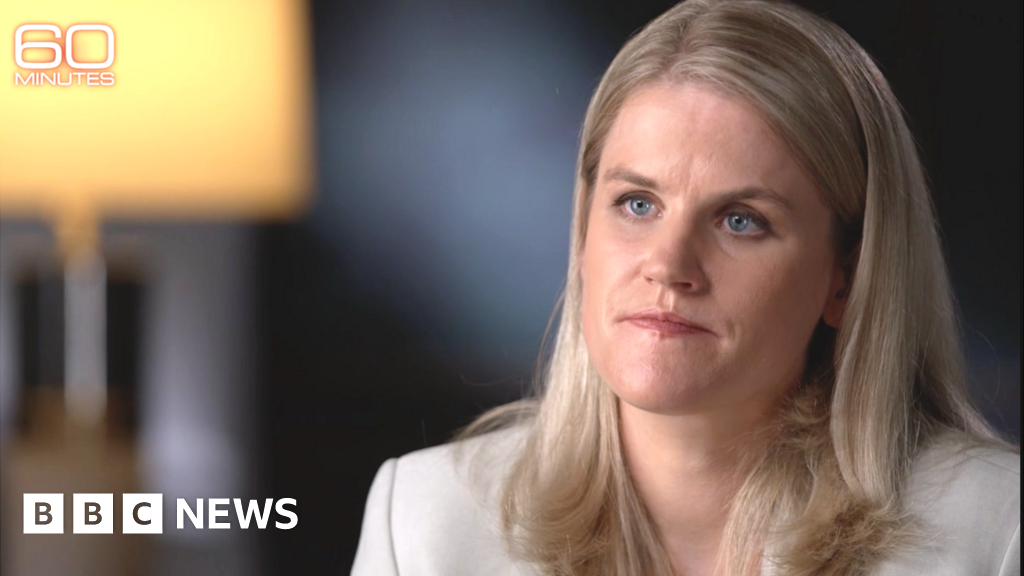
This week I was also made aware of current events involving Facebook, which piqued my interest. Frances Haugen, a former Facebook (now Meta Platforms, Inc.) employee recently leaked confidential documents to the Wall Street Journal. Dubbed ‘The Facebook Papers’ (NY Magazine Intelligencer, 2021), this series of reports contains data collected from internally conducted studies on the corporation’s effects on users. This ranges from the perpetuation of misinformation, to inciting conflict/hate speech, and Instagram’s harmful effects on younger users when it comes to social comparison among other issues.

This issue has escalated in passing months, with Haugen testifying in front of the US Congress in an attempt to promote positive change in Meta’s operations. In her testimony, she explained that “the company's leadership knows how to make Facebook and Instagram safer, but won't make the necessary changes because they have put their astronomical profits before people” (Politico, 2021). Her pledge to reform the current social media landscape has continued, with further testimonies to both the EU Parliament (Politico EU, 2021) and UK Parliament (New York Times, 2021). I find this story to be both topical and important to note in relation to Internet Algorithms as a topic, so I would like to follow up with it further in the coming weeks. Should nothing else come of this, there are other examples of Meta’s anti-trust background to pull from.

I felt that I made a respectable level of progress this week, having narrowed down my topic to a specific, contemporary story and having examined the postproduction process with somewhat more nuance. Next week, I will have to communicate with my team so as to retain a steady level of advancement as a group.


References:

 NY Magazine Intelligencer (2021) What was leaked in the Facebook Papers [online] Available from <https://nymag.com/intelligencer/2021/10/what-was-leaked-in-the-facebook-papers.html> [accessed 21 Nov 2021].

Politico (2021) Whistleblower to Senate: Don't Trust Facebook [online] Available from <https://www.politico.com/news/2021/10/05/facebook-whistleblower-testifies-congress-515083> [accessed 21 Nov 2021].

Politico EU (2021) 5 Takeaways from Facebook Whistleblower's EU Parliament Testimony [online] Available from <https://www.politico.eu/article/frances-haugen-brussels-european-parliament-eu-facebook-thierry-breton-google/> [accessed 21 Nov 2021].

New York Times (2021) Facebook Whistle-Blower Brings Campaign to Europe After Disclosures [online] Available from <https://www.nytimes.com/2021/10/25/business/frances-haugen-facebook.html> [accessed 21 Nov 2021].

Wednesday, November 17, 2021

Peer Review #2

 This week we completed our second round of peer feedback, and I think it was a very productive process. The first time we went through this process I found it to be a helpful aid in my own writing, and I feel similarly about it this week.

I mostly find it effective for two reasons: the first being able to reflect on feedback given to me by others, and seeing how others write from their own perspectives. For the first one, I typically read the feedback and take note of any changes I should make to my own writing. Following that, I look back at some of my previous blog posts and see if these issues are reoccurring, or if I happen to notice anything jarring by myself. After this reflection, I feel more prepared to rewrite the original post.

When giving feedback to others, I often see different styles of writing and outlooks. Having this type of outside perspective allows me to consider how I write in relation to others. In some ways, I find this almost as effective as receiving direct feedback. To offer an example, seeing the structure of other opening and closing paragraphs made me consider my previous work. In the past, I often jumped straight into the main content of the post without any preamble. However, once I saw this in the work of others, it made me realise how much that can benefit a blog.

I think that going through this procedure has been beneficial to my education, as it improved my ability to communicate feedback to others. It also improved my capacity to take feedback from others and turn it into productive, actionable steps to improve my work. Considering both rounds of peer feedback in this moment, I think it is quite effective in encouraging students to improve their work.


References:

Blogger (2021) Starting Out [online] Available from <https://kotrynas.blogspot.com/2021/11/starting-out.html> [accessed 17 Nov 2021].

Blogger (2021) Media Ethics [online] Available from <https://kirstinscreativemedia.blogspot.com/2021/10/media-ethics.htmll> [accessed 17 Nov 2021].


Technological Evolution


Image Source

The videos presented this week delved into the history of digital media and how it evolved over time. It also looked towards the future, and where things may advance from now. The first video (WatchMedia, 2020) examines the evolution of technology throughout human history, beginning from 100,000 BCE. I found it interesting how it illustrated the acceleration of human invention. Around half of the video shows progress that has taken place over the last century or so.

The second video (CrashCourse, 2018), presented in two parts, presents an overview of media literacy, how it evolved and where it may go in the future. The primary focus of the video is late 19th/ early 20th century print media, as this is when the United States of America started to see newspapers as a widespread medium of communication, uncontrolled by government or religious organisations. Of course, this also left an incentive for others to profit from printing. Two New York businessmen had driven their profit-motivated print media towards sensationalism and exaggeration. Dubbed ‘yellow journalism’, this made people question the validity of certain media, and the effects it could have on society.

In the second part of this video (CrashCourse, 2018), the great shifts in media and its general perception in the 20th century are examined in detail. Following print media, radio broadcasting, television and film had entered the mainstream in this period. This massive upheaval in media consumption resulted in a great deal of ‘protectionism’. This is the concept of attacking media for its messaging and/or content. David Buckingham, a consultant specialising in media declared three distinct types of media protectionism. These are: Cultural defensiveness, political defensiveness, and political defensiveness.

Later, the video introduces Marshall McLuhan, and his efforts in this field. There’s a quote of his mentioned that I found quite interesting; “The personal and social consequences of any medium - that is, any extension of ourselves - result from the new scale that is introduced into our affairs... by any new technology". This signalled a change in how media is examined, a change that lasts until this day. The video concludes with an outlook on the current state of media literacy. "Instead of protecting consumers from media messages, media literacy now seeks to prepare them to receive them and create them". All told, I found this video series quite informative and eye-opening as to how media informs human nature, and vice-versa. It is a complicated thing to discuss, having many intricacies to consider, especially in the digital age.

The third video (World Economic Forum, 2020) looks directly towards the future, and how our global economy will be impacted by an ever-evolving digital environment. With COVID-19, automation, and recession, roughly 85 million people are expected to have their jobs displaced in 5 years. In exchange, 97 million new jobs will be created. This magnifies an ongoing restructuring of our world because of technological advances. The video states that corporations are “investing in reskilling and upskilling their workforce” to meet demand in careers such as DevOps engineering and AI specialists.

I found this week to be an interesting look at where modern technology and mass media originate, and where our future is headed.


References:

WatchMedia (2020) Technology Evolution | 100,000BC - 2020 [online] Available from <https://www.youtube.com/watch?v=IJM3yuIDDPQ> [accessed 17 Nov 2021].

CrashCourse (2018) History of Media Literacy, Part One [online] Available from <https://www.youtube.com/watch?v=oXf0F4GYzWQ> [accessed 17 Nov 2021].

CrashCourse (2018) History of Media Literacy, Part Two [online] Available from <https://www.youtube.com/watch?v=9iUjvNtgWAs> [accessed 17 Nov 2021].

World Economic Forum (2020) What will the future of jobs be like? [online] Available from <https://www.youtube.com/watch?v=eH1fFdjzJAw> [accessed 17 Nov 2021].

Huawei Enterprise Europe (2020) Digital Transformation in 2030 [online] Available from <https://www.youtube.com/watch?v=APhSAIeqLkQ> [accessed 17 Nov 2021].

Post Production

Image Source   Hi everyone! For the project this week, the postproduction process got underway. For this, I began by recording a voiceover o...